-
Contemporary art from Africa and the diaspora
-
Breath-taking views from the rooftop venue and eatery
-
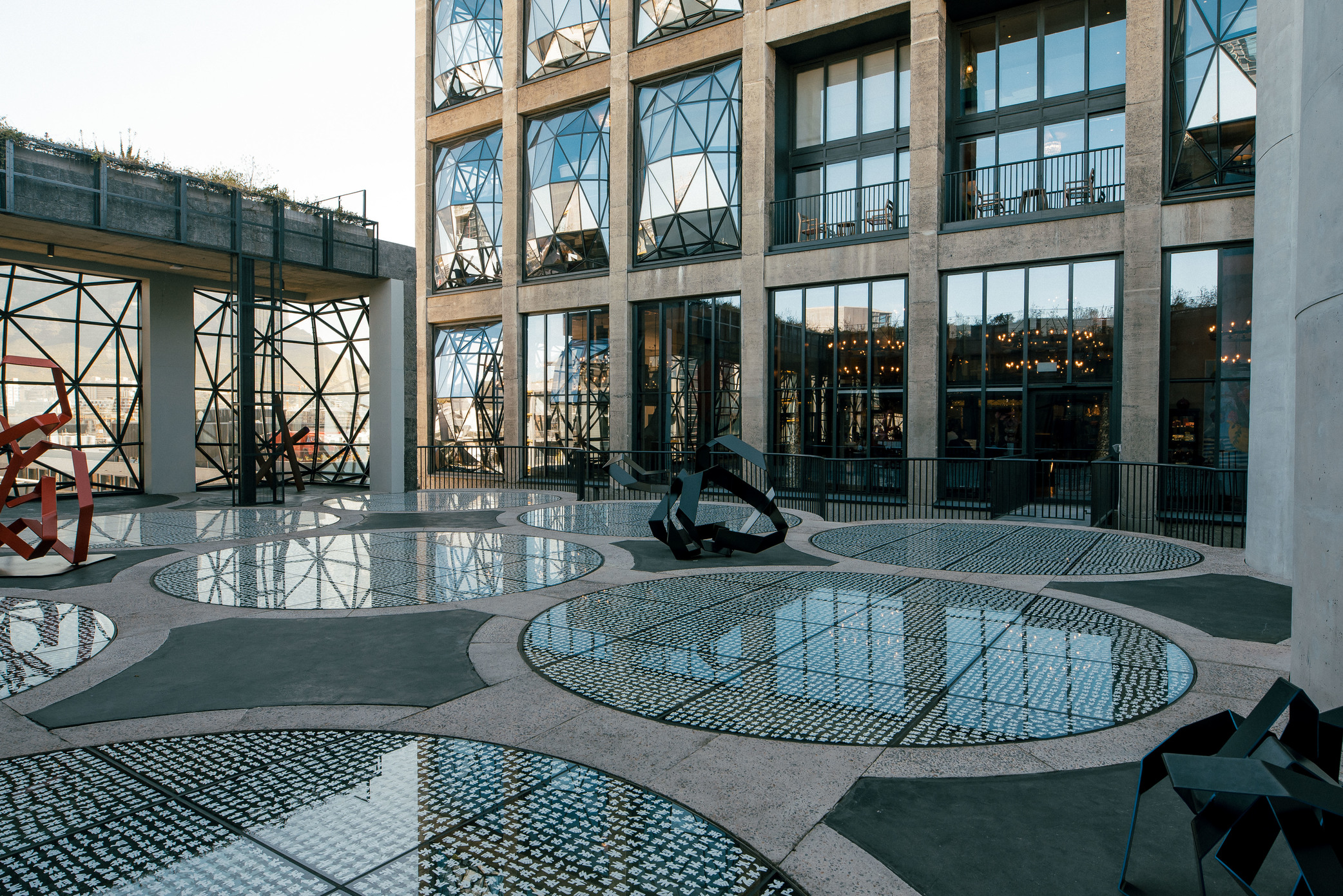
Historically significant venue designed by renowned architect Thomas Heatherwick
History
The museum, a towering 100,000-square-foot space, opened in September 2017. It was named after Jochen Zeitz, the former CEO of Puma, who lent his name and vast private collection. Designed by Thomas Heatherwick, the space is dedicated to contemporary African art and is the largest museum – comprising more than 100 galleries over nine floors – to open on the continent in more than a century. It focuses exclusively on 21st-century work from Africa and the diaspora, centred around Zeits’ private collection.
FAQs
What is the Zeitz MOCAA, and what can visitors expect to see there?
The Zeitz MOCAA is a public, not-for-profit museum in Cape Town dedicated to 21st-century art from Africa and its diaspora. It features over 100 galleries with works by artists like Kendell Geers and Ghada Amer, housed in a 100,000-square-foot former grain silo at the V&A Waterfront.
What are the operating hours and ticket details for Zeitz MOCAA?
Open Tuesday to Sunday, 10:00 to 18:00 (Closed Mondays). Tickets allow single entry within 14 days of the chosen date and include fast-track entry. While food and souvenirs are extra, a MEGA PASS is available for access to the museum plus 80 other attractions.
What makes the architecture of Zeitz MOCAA unique?
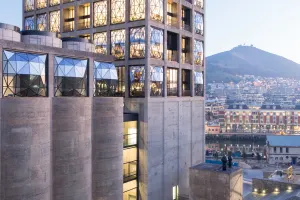
Designed by Thomas Heatherwick, the museum is an architectural transformation of a historic grain silo. It blends industrial heritage with modern design and features a rooftop venue with breathtaking views, making the building itself a work of art.
What additional amenities does Zeitz MOCAA offer to enhance the visitor experience?
Highlights include a rooftop eatery with panoramic views, mobile ticketing with instant confirmation, and a central location at the V&A Waterfront. Visitors can also purchase souvenirs and food on-site.
What is the historical significance of Zeitz MOCAA's location?
It is situated in the Grain Silo District, a key part of Cape Town's industrial history. The project is a premier example of "adaptive reuse," turning an old industrial structure into a cultural hub accessible via the V&A Waterfront (Bus Stop 2).