-
Understand the history and impact of racial segregation in Cape Town
-
Learn about the vibrant community that was forcibly removed from the historical District Six area of Cape Town
-
Engage and interact with staff members who have personal, intimate stories to share about their life in District Six
District Six Museum History
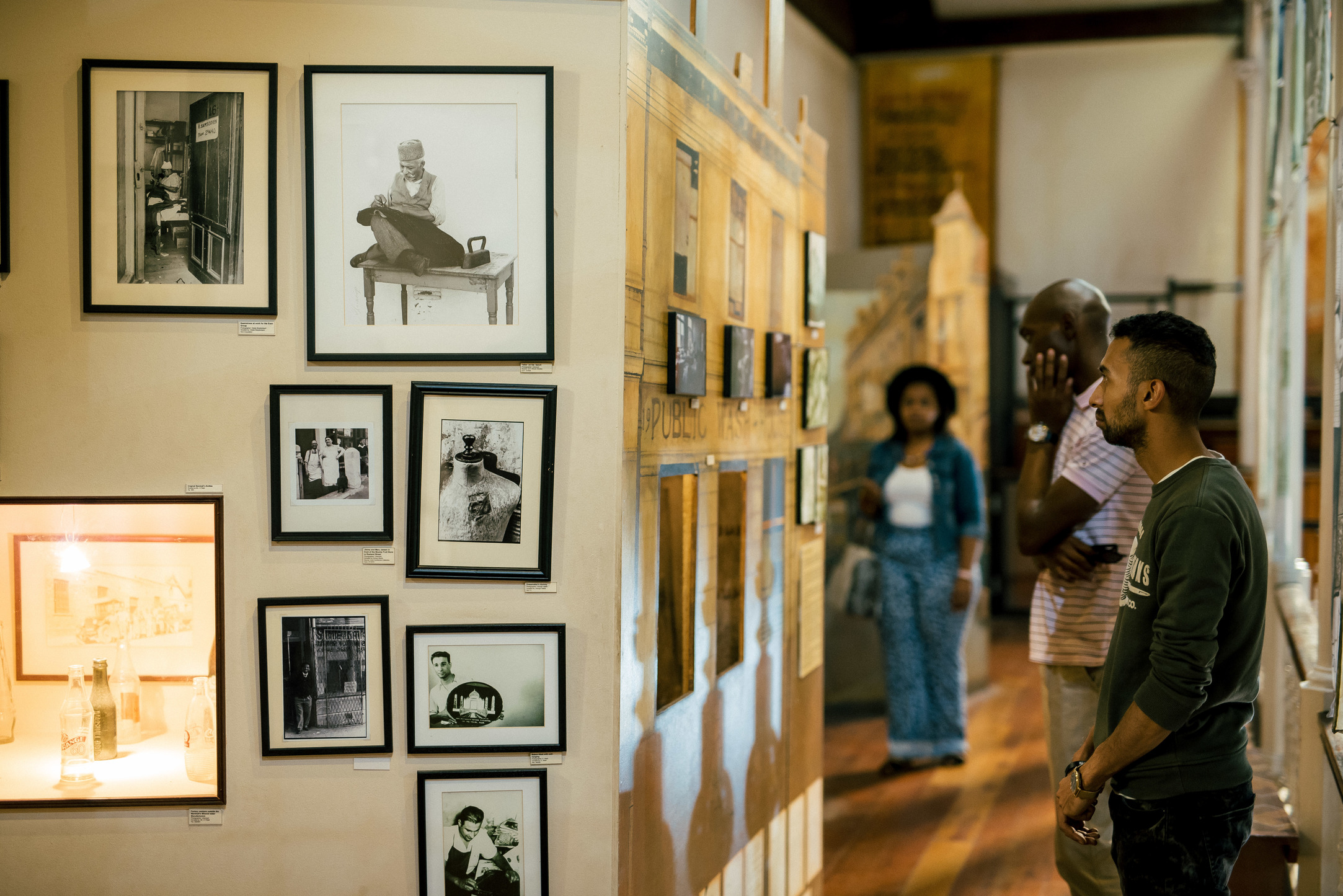
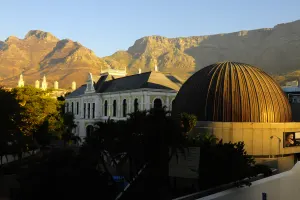
The Apartheid Museum was not always a powerfully moving home for the stories of the area's former residents. Prior to its current purpose, it was a wine shop until the Methodists took it over in 1883 and founded the Buitenkamp Methodist Mission Church. The District Six Museum Foundation was only established in 1989, and the museum itself came into being in 1994. Currently, the apartheid museum serves as a remembrance of the once lively multi-racial area that was forcefully removed during apartheid in the 1960s and 1970s.
FAQs
Can I talk to people who actually lived in District Six?
Yes. One of the most unique aspects of this museum is that many of the staff members and guides are former residents who were forcibly removed from the area. Instead of just reading plaques, you have the rare opportunity to engage in conversation with people who can share personal, first-hand accounts of the community life that once existed there and the impact of the demolition.
Is this museum located in the actual District Six area?
The museum is housed in the historic Buitenkamp Methodist Mission Church on Buitenkant Street. While this building was a vital part of the community's spiritual life, the vast majority of the "District Six" residential area—which was famously razed to the ground—is located just a few blocks away. Most visitors walk through the museum first and then take a short 5-minute walk to the "fallow land" (the empty fields) to see where the houses originally stood.
Is the museum open on weekends for a quick visit?
According to the current operating hours, the museum is open Monday through Saturday (09:00 - 16:00) and is typically closed on Sundays. It is also important to note that the museum often closes on Saturday afternoons or for specific community events. If you are planning a weekend trip, always check the "Important Information" section on the booking page to ensure your ticket remains valid for your specific date.
What is the significance of the massive floor map, and how do I interact with it?
The floor map isn't just a navigational tool; it’s a living memorial. As you walk across it, you are literally treading on the footprint of a destroyed community. Unlike standard museums where you shouldn't touch the exhibits, here, former residents are invited to sign their names or mark the exact location of their family homes directly onto the map. For an adult visitor, the significance lies in observing these personal annotations (like "Auntie Sarah’s Corner Shop") next to official street names, which humanizes the vast scale of the forced removals.
Is the museum a "quick stop," or should I clear a significant part of my morning?
While the physical space (a historic church) isn't massive, it is intellectually and emotionally dense. An adult traveler who values social history should treat this as a "slow" museum. Beyond the artifacts, there are listening stations with oral histories and "memory cloths" with embroidered testimonials. If you intend to take a guided tour with an ex-resident (highly recommended) and spend time reflecting on the personal archives, you should budget at least 2 hours. It is not a place to "tick off" in 30 minutes; the power of the site is found in the detail.